


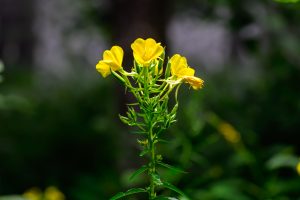
There’s something truly special about stepping into the wild with a camera in hand. Nature photography allows you to capture the beauty of the world around us, from the sweeping grandeur of a mountain range to the intricate details of a flower petal. It’s more than just a hobby—it’s a way to slow down, reconnect with the outdoors, and share those breathtaking moments with others.
What is Nature Photography?
At its core, nature photography is about freezing moments in time—moments that showcase the beauty of the natural world. Whether it’s the golden hues of a sunset over the ocean or the delicate patterns on a butterfly’s wings, it’s all about using your lens to tell nature’s story. From landscapes to wildlife to close-up macro shots, nature photography captures the awe-inspiring diversity of our planet.
Types of Nature Photography
There’s no one-size-fits-all when it comes to nature photography. Here are a few popular styles:
- Landscape Photography: Think vast, open spaces—mountains, forests, beaches. It’s all about capturing the grandeur and scale of the natural world.
- Wildlife Photography: This is where patience truly pays off. It’s about photographing animals in their natural environments, whether it’s a bird in flight or a deer in a quiet clearing.
- Macro Photography: Get up close and personal with the tiny details of nature. From dew on a spider’s web to the intricate patterns of a leaf, macro photography reveals the small wonders we often overlook.
Tips for Capturing Stunning Nature Photos
If you’re just starting out with nature photography, don’t worry—everyone has to begin somewhere. Here are a few tips to help you get started:
- Be Patient: Nature works on its own time. Whether you’re waiting for the perfect light or for wildlife to show up, patience is key.
- Know Your Camera: The better you understand your camera, the more creative freedom you’ll have. Take time to learn the settings and experiment.
- Experiment with Settings: Don’t be afraid to try different settings—play around with aperture, shutter speed, and ISO to see how they affect your shots.
- Get Close: For macro shots or even wildlife, getting closer to your subject brings out fascinating details. Just remember to respect their space!
- Use a Tripod: A tripod can be a game changer, especially in low-light situations like dusk or early morning. It ensures sharper images when you’re working with longer exposures.
- Respect Nature: Above all, be mindful of the environment. Leave no trace, don’t disturb wildlife, and avoid trampling on delicate ecosystems. Your role is to capture, not disrupt.
Conclusion
Nature photography isn’t just about taking pictures—it’s about connecting with the world around you. With some practice and a bit of patience, you’ll be able to capture the awe-inspiring moments that make nature so incredible. So grab your camera, head outside, and start exploring—you never know what beauty you’ll find.


