

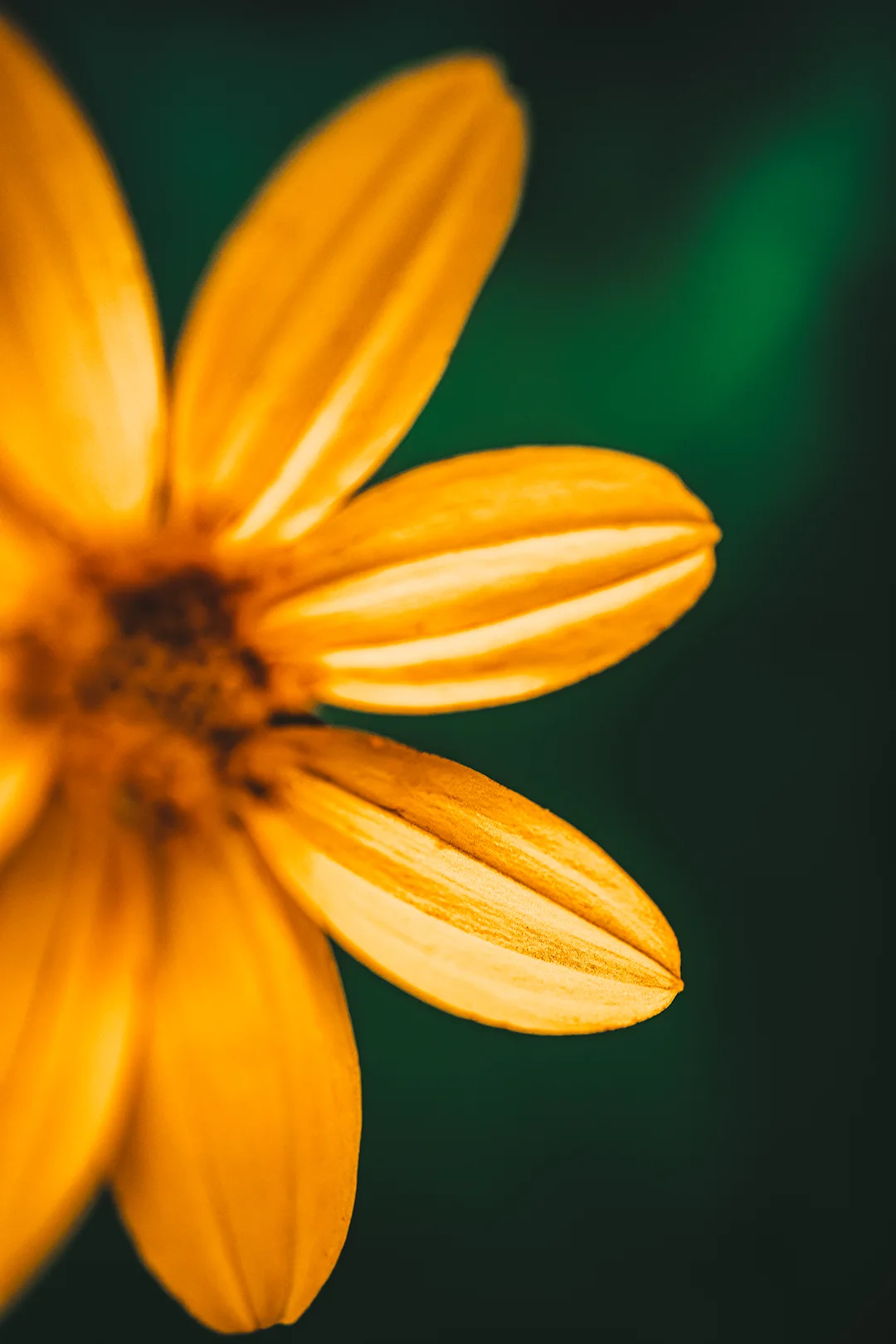

 There’s an entire world waiting to be discovered, right under our noses—literally. Macro photography allows us to capture the beauty of the small things we often overlook. From the delicate veins of a leaf to the intricate patterns on a butterfly’s wing, this type of photography allows us to zoom in and see nature in a whole new way. Whether you’re capturing dew drops on a flower or the textured surface of a rock, macro photography is an exciting way to highlight the tiny details that make the natural world so fascinating.
What is Macro Photography?
Macro photography is all about getting up close to your subject. Typically, it involves capturing small objects at a scale where they appear larger than life in the final image. A true macro shot will usually reproduce the subject at a 1:1 ratio on your camera’s sensor, meaning the subject is captured at life-size or larger. It’s a perfect genre for nature photographers who want to showcase the intricate beauty of flowers, insects, or water droplets. But don’t worry, you don’t need expensive gear to start capturing incredible macro shots—you need patience and a keen eye for detail.
Essential Gear for Macro Photography
Before diving in, let’s talk gear. While macro lenses are ideal, they’re not the only option for getting up close and personal with your subject.
- Macro Lens: A dedicated macro lens is worth the investment if you’re serious about macro photography. These lenses are designed to focus on subjects at close distances and provide sharp detail at a 1:1 magnification ratio.
- Extension Tubes: Extension tubes are an affordable alternative if you’re not ready to buy a macro lens. They fit between your camera body and lens, allowing you to focus closer to your subject.
- Tripod: A steady hand is vital in macro photography, especially since small movements can create blurry images. A tripod will help keep your shots sharp, especially in low-light conditions.
- Lighting: Natural light is fantastic for macro photography, especially in the early morning or late afternoon. But if you need extra light, a ring light or small reflector can help illuminate your subject without harsh shadows.
Tips for Capturing Stunning Macro Shots
Now that you’re ready to start shooting, here are a few tips to help you get the most out of your macro photography sessions:
1. Start Early or Stay Late
The best time to shoot macro is often early in the morning or late in the afternoon. Not only is the light softer, but you’ll also find that dew-covered plants and still insects make for excellent subjects. Plus, you’re less likely to encounter harsh shadows or blown-out highlights during these cooler hours.
2. Focus on the Details
One of the most rewarding aspects of macro photography is the ability to show intricate details. Whether it’s the fine hairs on a bee’s body or the texture of a mushroom’s cap, look for elements that the naked eye might miss. Focusing on the eyes of insects or the center of a flower can make your image pop with interest.
3. Mind Your Depth of Field
Macro photography often results in a very shallow depth of field, meaning only a small part of the subject will be in sharp focus. To control this, use a smaller aperture (higher f-stop number) to increase your depth of field. However, this might mean sacrificing some light, so be prepared to adjust your ISO or shutter speed to compensate.
4. Get Stable
Even the slightest movement can blur a macro shot, especially if you’re shooting with a longer exposure. Use a tripod for stability, and if possible, use a remote shutter release or your camera’s self-timer to reduce camera shake.
5. Pay Attention to Backgrounds
While your focus will be on the subject, the background plays a crucial role in making your image stand out. A clean, simple background will help highlight the fine details in your shot. Look for natural contrasts, like a dark green leaf against a bright flower, or a clear blue sky behind a bee on a branch.
6. Patience is Key
Macro photography requires patience. Insects won’t always stay still, and you might need to wait for the perfect breeze to pass to capture that still flower. Embrace the process, and enjoy the quiet moments while you wait for the perfect shot.
Common Subjects for Macro Photography
You might be wondering where to start. Luckily, you don’t need to venture far to find subjects for macro photography. Your backyard, a nearby park, or even a nature trail can offer plenty of opportunities. Here are a few common subjects to try:
- Insects: Butterflies, bees, ladybugs, and dragonflies are excellent subjects. Their vibrant colors and detailed wings make for fascinating close-up images.
- Flowers: Flowers’ intricate patterns and textures make them ideal for macro shots. Look for water droplets or tiny insects resting on the petals for added interest.
- Water Droplets: Capturing the world’s reflection in a droplet is a classic macro technique, whether on leaves, spider webs, or flowers.
- Textures: Leaves, bark, and rocks offer interesting textures that look amazing up close. Look for patterns, lines, or rough surfaces to highlight.
Conclusion: Find the Beauty in the Details
Macro photography invites you to slow down and notice the details that often go unseen. With the right gear and a little patience, you can create stunning images that reveal the beauty of the natural world at a microscopic level. Whether it’s the curve of a petal or the shimmer of an insect’s wing, there’s always something new to discover when you get up close. So, grab your camera, head outside, and explore the small wonders waiting to be captured through your lens!


